
Table of Contents
- Strange Stories in Stone: Tales of Gemstones and Minerals, and What Makes Them Special
- Not All That Glitters: Decoding Rocks, Minerals, and Fakes
- Real-Life Anecdote: The Pyrite Pawn
- From Rough to Radiant: What Drives Gemstone Value?
- Wild Cards and Tangents: Mythbusting, Marvels, and the Human Touch
- You Can Enjoy The Beauty of Real Gemstone Jewellery With Our Collections
Strange Stories in Stone: Tales of Gemstones and Minerals, and What Makes Them Special
People love to marvel at the dazzling beauty of gemstones, but rarely do they ask what’s really behind their shimmer. Years ago, a crumbling turquoise necklace led to an impromptu deep dive at a local museum—an experience that left me googly-eyed over a hunk of quartz and debating with the security guard whether obsidian counts as a mineral. As it turns out, the truth behind our favourite stones is much more layered (and befuddling) than most realise. Let's explore the fascinating, frustrating, and sometimes ridiculous realities of gemstones and minerals, as revealed by the insiders at the Smithsonian.
This article explores: the fascinating world of gemstones and minerals, revealing what makes them scientifically and culturally special. The piece also debunks myths, covers lab-created stones, and introduces rare curiosities like hackmanite, blending science, history, and quirky anecdotes to show that every gem has a story beneath its sparkle.
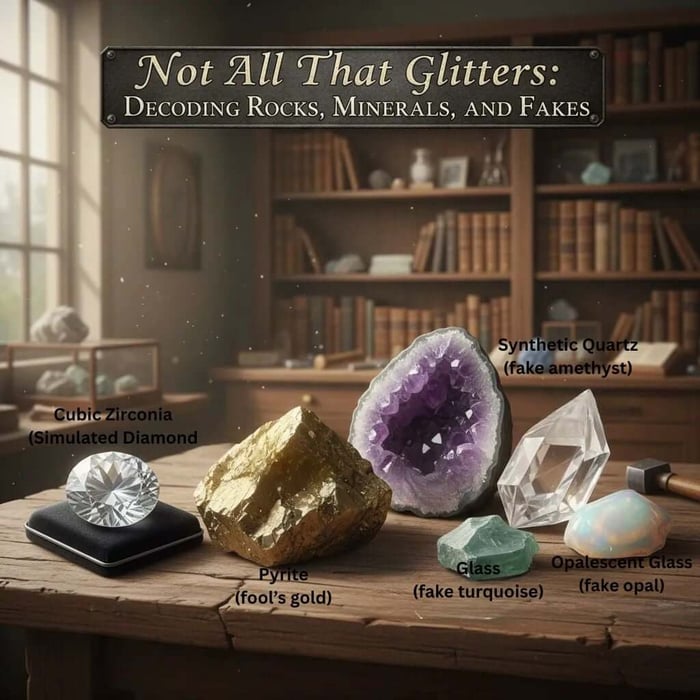
Not All That Glitters: Decoding Rocks, Minerals, and Fakes
When it comes to the world of gemstones, not everything that sparkles is what it seems. Understanding the differences between rocks, minerals, and their lookalikes is essential for anyone consulting a gemstone buying guide or curious about natural gemstone pricing. Whether you’re fascinated by the science or simply want to avoid being fooled at a car boot sale, this section will help you decode the curious world beneath the surface.
The video features Gabriela Farfan, curator of gems and minerals at the Smithsonian. It explains the difference between rocks, minerals, and gems, how trace elements give gems their colours, and highlights unusual gems like Hackmanite. Learn about the Mohs Hardness Scale, how diamonds are cut and graded, the differences between synthetic and natural diamonds, and the formation of crystals and geodes. The video also covers organic versus inorganic minerals, such as pearls and bones; the origins of gems and rare minerals; ethical sourcing of diamonds; and practical care and terminology related to gemstones.
Rocks: Nature’s Jumbled Collections
At their core, rocks are natural jumbles of minerals. Take granite, for example, a rock you might spot on a kitchen countertop or in a mountain range. If you look closely, you can see that granite is made up of grains of different colours. These grains are actually individual crystals of minerals such as quartz, feldspar, and mica. Each mineral brings its own unique properties and hues, making granite a perfect example of a composite material.
In fact, rocks are entirely made of minerals. Rocks like granite are essentially mosaics, each piece telling a story of geological processes and mineral formation. With over 5,000 mineral species identified on Earth, the combinations are nearly endless.
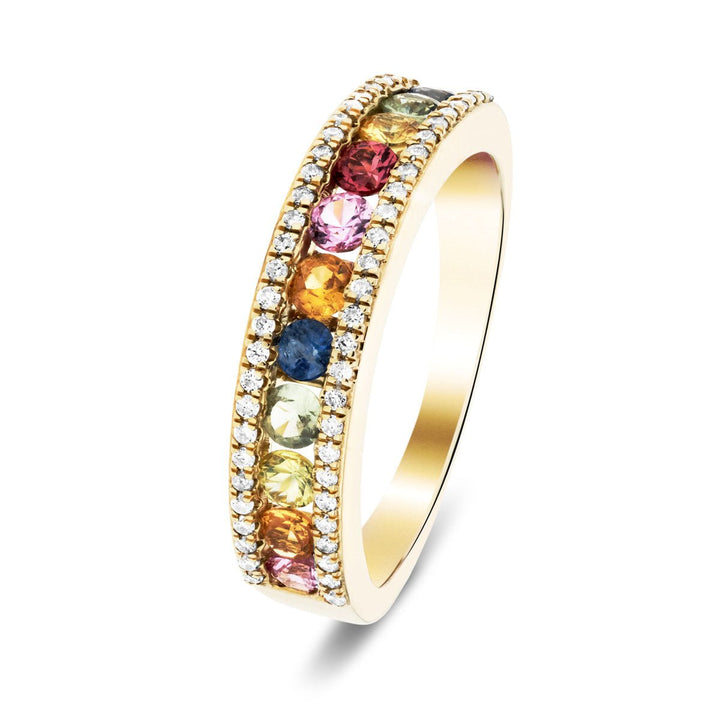
Multi Sapphire and Diamond Half Eternity Ring 1.15ct in 9k Yellow Gold
$853.00
$1,342.00
This is the eternity ring you're looking for when you look for something that will stand out from all the rest. This colourful sapphire and diamond eternity ring features a beautiful array of sapphires in vibrant colours accented with two… read more
Minerals: The Building Blocks of Gemstones
Minerals are naturally occurring crystals with distinctive chemical compositions and structures. For instance, quartz, feldspar, and mica—found in granite—are all minerals. These minerals can sometimes form large, well-shaped crystals that are prized as gemstones. The gemstone's cut, shape, and clarity depend on the quality of the mineral crystals, which is a key factor in the gemstone's price per carat.
But not all beautiful stones are minerals. Some, like obsidian and pearls, break the rules and spark debates among collectors and scientists alike.
Obsidian: Volcanic Glass, Not a Mineral
Obsidian is a striking, glassy rock that often catches the eye of gemstone enthusiasts. Many are surprised to learn that obsidian is not a mineral. It’s actually natural volcanic glass, formed when molten rock cools so quickly that crystals don’t have time to grow. This lack of crystal structure means obsidian doesn’t qualify as a mineral, even though its chemical composition can be similar to rocks like granite.
Obsidian has played a significant role in human history. Prehistoric people valued it for its sharp edges and used it to craft arrowheads and knives. Its unique properties make it a fascinating outlier in any gemstone buying guide.
Gold vs. Fool’s Gold: Spotting the Difference
Genuine gold and pyrite, also known as "fool's gold", are frequently confused in the world of minerals. At first glance, both can appear similar, boasting a shiny, golden appearance. However, their value and composition are worlds apart.
- Gold isa mineral with a beautiful golden colour, highly prized for jewellery and investment. As one expert puts it:
“Gold is a mineral, and it has this beautiful golden colour.”
- Pyrite (fool’s gold) is composed of iron sulphide. While it shares a cubic crystal structure with gold, its chemical makeup is entirely different. Pyrite’s brassy-yellow shine can deceive the untrained eye, but it is not valued as a gemstone.
For those interested in natural gemstone pricing or gemstone price per carat, it’s crucial to distinguish between these two. Gold commands a high price, while pyrite is virtually worthless in the jewellery market.
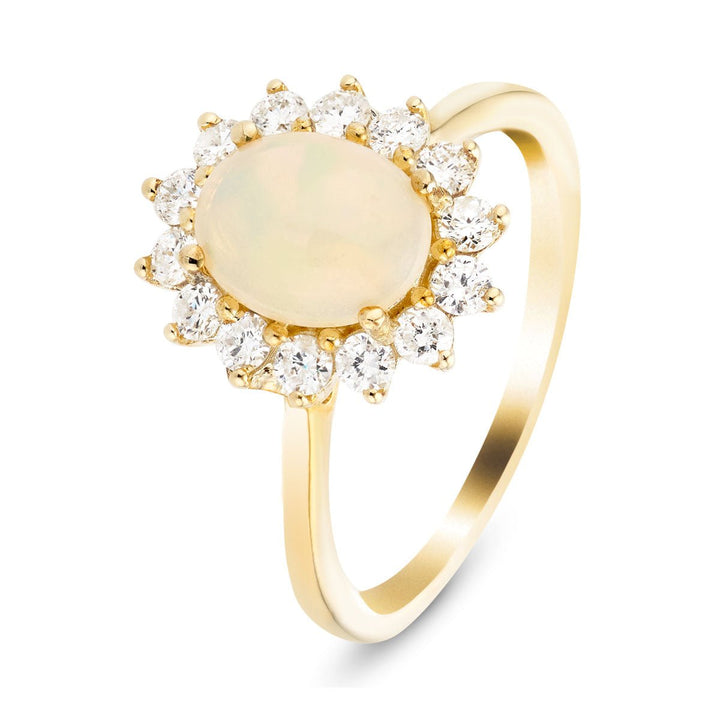
Opal 1.12ct and Diamond 0.52ct Cluster Ring in 9K Yellow Gold
$1,016.00
$1,695.00
A unique, modern and striking ring that you'll want to wear again and again. Opal is one of nature's gems, with natural beauty and unique texture that adds an elegant and distinctive touch to any style. This ring is set… read more
Pearls and Other Exceptions
Pearls are another fascinating exception. Unlike minerals, pearls are formed biologically from aragonite, a form of calcium carbonate, inside molluscs. Their organic origins mean they don't fit the strict definition of minerals, yet they remain highly prized in jewellery.
Real-Life Anecdote: The Pyrite Pawn
Consider the story of a friend who once tried to sell a chunk of pyrite at a car boot sale, convinced it was gold. A passing geologist quickly pointed out the differences, explaining the science behind pyrite’s deceptive shine. It’s a reminder that knowledge is the best defence against being fooled by glittering fakes.
| Material | Type | Value (Jewellery) | Notes |
|---|---|---|---|
| Gold | Mineral | High (Varies by market, per carat) | “Beautiful golden colour” |
| Pyrite | Mineral | Low (Not valued as a gem) | Iron sulfide, cubic structure |
| Granite | Rock (composite) | Low | Quartz, feldspar, mica mix |
| Obsidian | Volcanic glass | Moderate (decorative use) | No crystal structure |
| Pearl | Organic | High | Formed from aragonite |
Understanding these distinctions is key for anyone interested in gemstones, whether you’re browsing a gemstone buying guide or comparing gemstone prices per carat at your local jeweller. Not all that glitters is gold—or even a gemstone.
From Rough to Radiant: What Drives Gemstone Value?
What transforms a dull, rough mineral into a dazzling treasure commanding thousands per carat? The answer lies in a complex interplay of factors, famously known as the ‘Four Cs’: colour, clarity, cut, and carat weight. Yet, gemstone value is far from a simple checklist—rarity, origin, and even practicality all play pivotal roles in determining gemstone price per carat.
The Four Cs: Foundations of Gemstone Quality
- Colour: For both diamonds and coloured gemstones, hue, saturation, and tone are critical. The most prized stones exhibit vivid, pure colours with minimal secondary hues. For example, a sapphire with deep, velvety blue saturation fetches a much higher coloured gemstones price than a pale or overly dark stone.
- Clarity: The gemstone clarity scale grades stones based on visible inclusions or flaws. ‘Eye-clean’ gems—those with no imperfections visible to the naked eye—command the highest premiums. In diamonds, clarity is graded by institutes that examine for inclusions, cracks, or trapped minerals. For coloured stones, clarity can triple the price between the AA and AAA grades.
- Cut: Precision in cutting maximises brilliance and conceals flaws. Exotic shapes like pear, marquise, or emerald cuts often cost more due to greater waste and more intricate craftsmanship. Round brilliant cuts are popular for hiding minor inclusions, while baguette or rectangular cuts are reserved for exceptionally pure stones.
- Carat Weight: Carat weight pricing is anything but linear. As stones increase in size, their price per carat rises exponentially—especially for premium gems. This is because larger, high-quality stones are much rarer. For example, a 1-carat sapphire may cost around £320, but a 2-carat equivalent of the same quality can leap to £960, not just double, but triple the price.
“Price per carat increases non-linearly with weight; a 1-carat fine sapphire might cost £320, while a 2-carat stone of equal quality can cost £960 (not £640), demonstrating exponential price progression.”
Rarity, Origin, and the Power of Place
Beyond the Four C's, gemstone rarity, availability, and origin are major drivers of value. Certain localities are legendary for producing stones of unmatched quality—think Burmese rubies or Colombian emeralds. These origins can multiply a gem’s price, even if the Four Cs are identical to stones from less celebrated sources.
Colour Saturation and Clarity: The Eye-Clean Ideal
For both diamonds and coloured stones, the absence of visible flaws and the presence of vivid colour dramatically increase desirability. On the gemstone clarity scale, ‘eye-clean’ gems are the gold standard. In coloured stones, the most saturated and pure hues—without brown or grey overtones—command the highest coloured gemstone prices.
Cutting Edge: Shape and Value
Gemstone quality factors extend to the artistry of the cut. Exotic shapes like pear, marquise, or emerald cuts require more rough stone and greater skill, leading to higher prices. However, not all large stones are more valuable. For example, blue topaz or amethysts over 100 carats may actually decrease in price per carat, as they are impractical for most jewellery settings.
Charting Price Progression: The Exponential Curve
To illustrate the non-linear nature of gemstone prices per carat, consider sapphires.
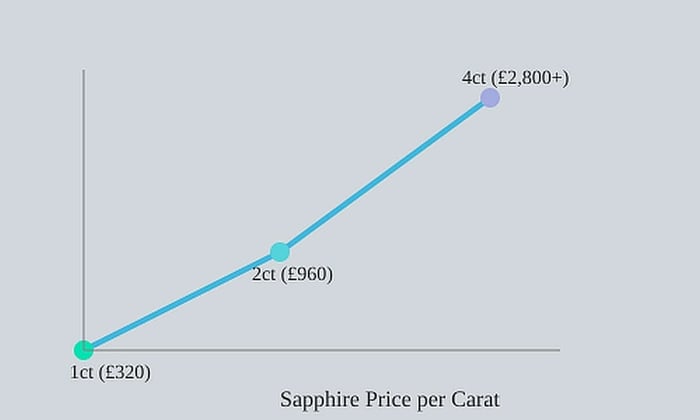
This chart illustrates how gemstone price per carat accelerates with weight, especially for premium stones. The leap from 1 to 2 carats is dramatic, and the jump to 4 carats is even steeper, reflecting the rarity and desirability of larger, high-quality gems.
Gemstone Value in the Real World
Actual prices reflect all these factors. For example:
| Gemstone | Price per Carat (£) |
|---|---|
| Diamond | 3,600–4,800 |
| Ruby | 3,700 |
| Emerald | 400–850 |
| Sapphire | 350–1,250 |
| Amethyst | 12–80 |
| Turquoise | 8–80 |
| Aquamarine | 80–160 |
| Opal | 48–80 |
In the end, the value of gemstones is determined by the interplay of nature's rarity, human craftsmanship, and the constantly fluctuating forces of demand and desire.
Certified Diamond Pear Solitaire Engagement Ring 2.00ct E/VS 18k White Gold

$32,641.00
$56,261.00
This stunning pear-shaped solitaire engagement ring is designed to showcase the beauty of the 2.00-carat E/VS quality diamond in its three-prong setting. Handcrafted in the UK and hallmarked for quality, the 18k white gold band perfectly complements the exquisite diamond.… read more
Wild Cards and Tangents: Mythbusting, Marvels, and the Human Touch
Stories and science shape the world beneath the surface of gemstones just as much as their sparkle. From the legendary Hope Diamond to the surprising facts about human bone, let’s dig into the wild cards, marvels, and myths that shape our understanding of the value of precious gemstones and the curious quirks of the gemstone clarity scale.
First, a quick detour into the Mohs scale—a system used to rate gemstone hardness. It’s not about how tough a stone is to break, but rather how easily it can be scratched. For example, talc sits at the softest end with a Mohs rating of 1, while diamond reigns supreme at 10. Unbelievably, the bioapatite composition of human bone gives it a Mohs rating of around 5. As one gem expert quipped,
“Diamond is 10 on the Mohs hardness scale, while bone is only 5—so Dwayne ‘The Rock’ Johnson really is off the scale in more ways than one!”But don’t be fooled into thinking the hardest stone is always the most valuable. In fact, the gemstone price per carat can be influenced by rarity, clarity, and cultural significance just as much as by hardness. Take jade, for instance. With a Mohs rating of 6–7, it’s not the hardest, but it is the toughest—meaning it resists breaking better than almost any other gemstone. This distinction between hardness and toughness is a classic pub quiz trick and a reminder that gemstone value is about more than just scratch resistance.
The 'Curse' of the Hope Diamond
Speaking of value, let’s address one of the most persistent myths in the world of precious stones: the ‘curse’ of the Hope Diamond. This deep-blue marvel, now a highlight of the Smithsonian’s National Museum of Natural History, has long been rumoured to bring misfortune to its owners. In reality, its story is more about financial woes and personal tragedies than supernatural forces. Over the years, the Hope Diamond changed hands frequently, with each new owner facing their own challenges. Its last private owner, Evelyn Walsh McLean, suffered a series of personal losses, fuelling the legend of the curse. Yet today, the Hope Diamond is seen as a blessing—a symbol of beauty, history, and scientific intrigue, its cultural value far outweighing any superstitions.
Modern gemmology also enjoys debunking myths surrounding synthetic stones. Lab-created diamonds, for example, are chemically and physically identical to natural diamonds. They score the same on the Mohs hardness scale and are visually indistinguishable; however, they typically cost about half as much per carat. This makes them an attractive choice for those seeking affordable gemstones by value, without sacrificing brilliance or durability. The same goes for clarity: synthetic gems can be produced with fewer inclusions, making them competitive on the gemstone clarity scale as well.
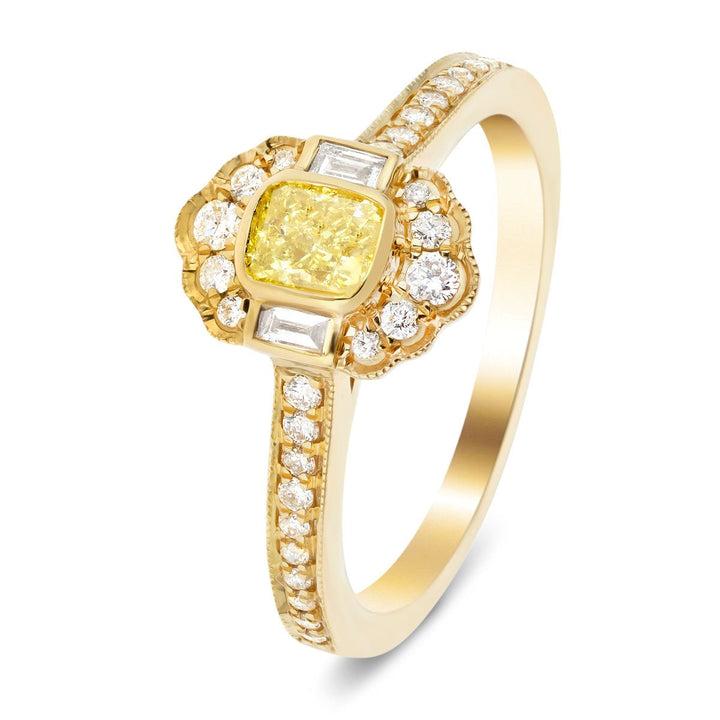
Art Deco Cushion Yellow Diamond 0.65ct Rub Over Ring in 18k Yellow Gold
$1,519.00
$2,402.00
Want to add a little extra sparkle to your ring? Look no further! This art deco cushion cut yellow diamond ring is perfect for any occasion. With a white diamond halo made from round and baguette-shaped gemstones around the cushion… read more
A Rare Colour-Changing Gemstone
For those who crave something truly rare, hackmanite is a remarkable gemstone worth noting. This gemstone exhibits tenebrescence, a colour-shifting property that causes it to change hue under ultraviolet light. Hackmanite is rarer than a unicorn in Birmingham and far more radiant, making it a collector’s dream and a testament to the wonders still hidden beneath the earth’s surface.
To bring all these threads together, consider the following comparison of the ‘Big Four’ precious gemstones—diamond, ruby, sapphire, and emerald—across key factors like hardness, price per carat, and clarity:
| Gemstone | Mohs Hardness | Average Price per Carat (£) | Clarity Impact |
|---|---|---|---|
| Diamond | 10 | 1,500–15,000+ | High clarity = higher value |
| Ruby | 9 | 800–8,000+ | Some inclusions accepted |
| Sapphire | 9 | 600–6,000+ | Clarity boosts price |
| Emerald | 7.5–8 | 500–5,000+ | Inclusions are common and have less impact |
In conclusion, the world of gemstones combines facts, folklore, and fascination. Whether you’re drawn to the legendary Hope Diamond, the science behind synthetic stones, or the rare magic of hackmanite, remember that the true value of a gemstone lies not only in its physical properties but also in the stories we tell and the connections we make. Beneath the surface, every gem has its tale—waiting to be discovered, cherished, and shared.
You Can Enjoy The Beauty of Real Gemstone Jewellery With Our Collections
Curious to see these stories in stone come to life? Take a few minutes to browse All Diamond's collection of handcrafted natural diamond jewellery. Each piece is made in the UK and comes with a lifetime workmanship guarantee—because every gem has a story worth cherishing.
Browse Our Beautiful Diamond Jewellery Collections
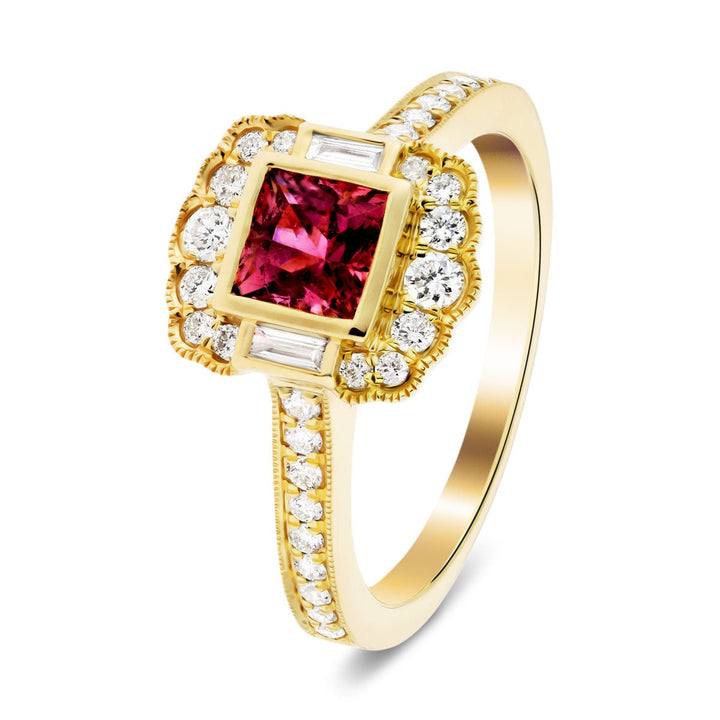
Art Deco Cushion Pink Tourmaline and Diamond 1.05ct Ring 18k Yellow Gold
$1,383.00
$2,157.00
This is a ring that will look stunning on any woman’s finger! The head of the ring measures 11.4mm across and is set with a cushion-cut pink tourmaline weighing 0.60 carats. The accent diamonds weigh a total of 0.4 carats,… read more